

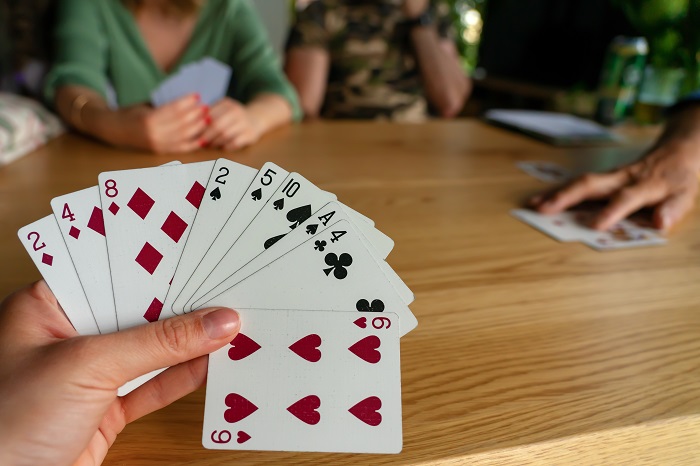
In an era dominated by hyper-connected digital devices, genuine human interaction has become increasingly fragmented. Social media platforms, algorithmically driven entertainment, and rapid-fire messaging applications promise boundless connectivity, yet people frequently report feeling more isolated and socially disconnected than ever before. Modern communication channels prioritize asynchronous, brief exchanges that strip away the subtle nuances of human companionship.
Amid this digital fatigue, multiplayer card games continue to thrive as an enduring social ritual. Whether gathered around a wooden kitchen table with a traditional deck of fifty-two cards, competing in an organized trading card tournament at a local hobby shop, or gathering online for a weekend game night, card games provide an exceptional framework for interpersonal connection. They bridge generational divides, foster meaningful camaraderie, stimulate collaborative problem-solving, and cultivate healthy social dynamics in ways that purely digital, solitary entertainment cannot replicate.
The Psychological Power of Shared Physical Space
The simple act of sitting across from another human being around a shared surface creates a psychological environment fundamentally different from screen-bound interactions. Tabletop card games require participants to occupy the same physical reality, allowing the rich sensory tapestry of face-to-face communication to flourish.
A physical table establishes a contained, intimate arena where subtle interpersonal cues take center stage:
-
Non-Verbal Communication: Players constantly read and project body language, micro-expressions, shifts in posture, and involuntary hand tremors. These non-verbal signals deepen emotional attunement and make shared victories and losses far more resonant.
-
Tactile Engagement: Shuffling card stock, dealing hands, sliding discards onto felt, and organizing resources engage the physical senses. This tactile grounding pulls participants out of cognitive abstraction and roots them firmly in the present moment.
-
Natural Conversational Pacing: Unlike intense real-time video games that demand unbroken auditory and visual focus, card games move in distinct phases and turns. These brief intervals of downtime provide natural gaps for banter, laughter, personal updates, and spontaneous storytelling.
By removing the sensory barrier of a digital screen, multiplayer card games turn casual game nights into active social bonding sessions where conversation flows naturally alongside strategic play.
Establishing Common Ground Across Generational and Cultural Divides
One of the greatest social barriers in modern society is the polarization and cultural separation that exists across different age brackets. Grandparents, parents, teenagers, and young children often consume entirely different forms of media, struggle to find common topics of conversation, and retreat into demographic echo chambers.
Card games possess an innate universality that cuts cleanly across these generational divides:
Universal Accessibility and Low Barriers to Entry
Many classic card games rely on basic components and intuitive rules that can be taught in minutes. A grandparent can sit down with a pre-teen grandchild to play rummy, hearts, or cribbage without either participant feeling alienated by complex technology or physical limitations. The playing card functions as an equalizer; physical speed, athletic prowess, and youth provide little inherent advantage over patience, memory, and tactical foresight.
Cultivating Cultural Traditions and Family Heirlooms
In many cultures and families, specific card games serve as enduring rites of passage. Passing down the intricate bidding conventions of bridge, the nuanced scoring pegs of cribbage, or the strategic bluffing rhythms of euchre transforms the game into a shared family heritage. The lessons learned around the card table become living memories that tether generations together across decades.
Developing Empathy and Social Emotional Intelligence
Engaging in multiplayer card games is not merely an intellectual exercise in probability and hand evaluation; it is a profound workout for emotional intelligence and interpersonal awareness. To succeed in social card play, one must cultivate a keen understanding of other people’s minds.
Several core social-emotional faculties are sharpened through regular card play:
-
Theory of Mind and Perspective Taking: To anticipate an opponent’s next move or understand a partner’s signal, a player must step outside their own perspective and model another person’s thoughts, intentions, and resource constraints. This constant cognitive shifting reinforces empathy in daily relationships.
-
Graceful Resilience and Good Sportsmanship: Card games inherently involve a balance between strategic skill and the luck of the draw. Receiving an unplayable hand teaches players to manage frustration, adapt to adversity, and lose with dignity. Conversely, winning with humility prevents social friction and preserves mutual respect.
-
Active Listening and Coordination: In partnership games like spades, bridge, and pinochle, verbal communication about hand contents is strictly forbidden by the rules. Partners must listen intently to play patterns, remember past discards, and develop unspoken trust to coordinate complex strategies toward a common goal.
These subtle social negotiations build emotional maturity, teaching individuals how to navigate conflict, support teammates, and manage competition without damaging personal relationships.
The Modern Revival: Trading Card Games and Community Hubs
While traditional parlor card games foster domestic bonds, modern trading card games and collectible card systems have catalyzed expansive public communities. Modern titles have created an entire subculture anchored by dedicated physical gathering spaces.
Hobby shops, local community centers, and university clubs serve as modern town squares for enthusiasts of these card games:
Providing Belonging for Diverse Demographics
For many individuals, particularly neurodivergent youths or socially reserved adults, traditional social environments like bars, sporting arenas, or noisy networking mixers feel overwhelming or uninviting. Card shops offer structured, rule-governed spaces where common ground is established from the moment one walks through the door. The game serves as a social bridge that bypasses initial awkwardness, allowing people to form deep friendships rooted in shared passion.
Collaborative Problem-Solving and Mentorship
Card communities are characterized by robust cultures of teaching and collective growth. Veteran players routinely spend hours mentoring novices, explaining complex card interactions, sharing spare cards from their collections, and helping newcomers construct functional decks. This collaborative environment turns competition into a vehicle for communal development rather than hostile rivalry.
Digital Adaptations: Preserving Bonds Across Long Distances
While the physical tabletop provides an ideal social environment, modern life often scatters close friends and family members across different cities, states, and time zones. Modern digital card adaptations have stepped into this void, serving as digital living rooms that preserve long-distance relationships.
Digital multiplayer card games offer several advantages for staying in touch:
-
Low Cognitive Pressure: Video calls can sometimes feel performative or exhausting when participants feel pressured to maintain constant conversation. Playing a casual digital card game together provides a shared, relaxing activity that fills conversational pauses and removes conversational fatigue.
-
Asynchronous Flexibility: Many digital card applications allow for asynchronous play, meaning friends can make a move, leave a thoughtful text message, and let their opponent respond whenever their schedule allows. This permits ongoing, low-maintenance connection throughout busy work weeks.
-
Integrated Voice Channels: Pairing a digital card game with an open voice or video call reproduces much of the table talk and spontaneous humor of an in-person gathering, helping relocated friends maintain their established personal rhythms.
By blending the structural familiarity of traditional cards with modern telecommunications, digital formats ensure that physical relocation does not spell the end of long-standing social traditions.
Healthy Escapism and Genuine Mental Rejuvenation
Modern life imposes heavy cognitive demands. The endless influx of news alerts, professional workplace communications, and consumer obligations creates chronic low-grade anxiety. Card games provide a form of active, restorative recreation that allows the brain to reset.
Unlike passive screen entertainment like television viewing, which often leaves people feeling mentally sluggish, card games demand active cognitive engagement that induces a state of flow. Calculating odds, tracking discards, and formulating tactical moves completely absorb the player’s working memory, pushing external worries into the background.
When this deep focus is experienced alongside close friends or family, the brain produces oxytocin and endorphins associated with trust and laughter. Players walk away from the table feeling mentally refreshed, emotionally connected, and grounded, proving that simple card decks remain among the most potent social tools available in modern culture.
Frequently Asked Questions
How do cooperative card games differ socially from purely competitive formats?
In cooperative card games, all participants play together on the same team against an automated deck challenge or environmental puzzle built into the rules. This structure eliminates zero-sum conflict and personal rivalry, focusing social energy entirely on collective communication, shared resource allocation, and collaborative victory, making it ideal for groups sensitive to interpersonal competition.
Can introducing regular card nights benefit corporate teams or workplace morale?
Yes, incorporating casual card games into workplace retreats or lunch hours breaks down formal corporate hierarchies and removes professional tension. Executives and entry-level employees sit at the table as absolute equals, promoting mutual respect, encouraging transparent communication, and revealing creative problem-solving styles that translate back into productive office collaboration.
What is the recommended group size for hosting an engaging social card game evening?
For traditional parlor and trick-taking games, four players represents the ideal balance, as it accommodates two-versus-two partnerships or four-way free-for-alls without introducing prolonged downtime between turns. For larger social gatherings of six to ten people, social deduction card games or party games with simultaneous action phases keep all attendees engaged without leaving anyone waiting.
How do social deduction card games help break the ice among strangers?
Social deduction card games assign secret roles and hidden objectives to participants, requiring the group to identify impostors through discussion, questioning, and behavioral observation. Because the gameplay centers around passionate debate, gentle accusations, and dramatic reveals, it breaks down social inhibitions, sparks humor, and creates memorable shared moments among individuals who have just met.
Are trick-taking card games better for conversation than modern strategy board games?
Trick-taking games typically involve standardized hands, repetitive short-term objectives, and clear play cadences that quickly become intuitive after a few rounds. Because they do not require players to read long text prompts on game boards or spend ten minutes planning complex physical movements, cognitive bandwidth remains open for lighthearted conversation, storytelling, and table banter.
How can a host encourage good sportsmanship when playing card games with young children?
Hosts can foster good sportsmanship by emphasizing the enjoyment of the process, praising clever plays rather than focusing exclusively on the final score, and modeling calm, gracious acceptance when losing a round. Playing team-based partnership games where an adult pairs with a child also provides real-time emotional coaching, helping children process unexpected turns of fortune in a safe environment.
Why do many people prefer physical card games over digital tablet or smartphone adaptations?
Physical cards engage the tactile and spatial senses in a way that touching a glass screen cannot replicate. More importantly, physical gatherings require everyone to put away their personal devices, eliminating digital distractions and notifications while ensuring that participants look each other in the eye, listen actively, and contribute fully to the shared human dynamic.

Comments are closed.