

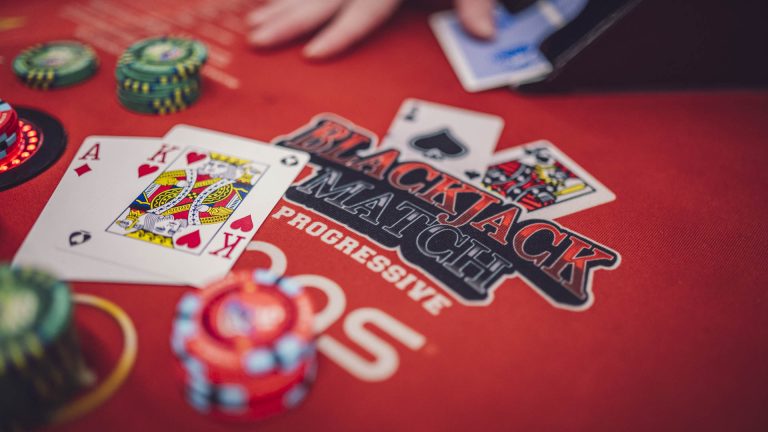
Walking up to a lively blackjack table in a bustling casino can feel intimidating for someone who has never played outside a casual living room or digital smartphone app. The rules of twenty-one seem simple on paper: beat the dealer total without exceeding twenty-one. Yet, once you step onto a physical gaming floor, you quickly realize that the game involves far more than basic arithmetic.
A blackjack table operates within a framework of centuries-old customs, precise operational protocols, and strict visual security rules. These standards exist to protect the casino from cheating, shield players from misunderstandings, and keep the game moving smoothly.
Violating table etiquette rarely gets you kicked out of a casino if you are simply an uninformed novice, but it can draw sharp rebukes from dealers, create tension with fellow players, and throw off your concentration. Mastering proper table etiquette allows you to sit down with poise, earn the respect of the casino staff, and focus entirely on making sound mathematical decisions.
Joining the Table and Buying Chips
The very first test of etiquette happens before you ever receive a playing card. Approaching the table and exchanging your cash for casino chips requires adhering to strict procedures designed for overhead surveillance cameras.
Reading the Table Limits Placard
Every blackjack table displays a small plastic or digital sign resting near the dealer left or right hand. This placard outlines the minimum and maximum allowable wagers per betting round, alongside the table specific rules, such as whether the dealer hits or stands on soft seventeen, and whether blackjacks pay three to two or six to five. Never sit at a table without checking the minimum bet first; sitting down at a twenty-five-dollar minimum table with the intention of placing five-dollar bets creates unnecessary delays and awkwardness.
Timing Your Buy-In Correctly
Never attempt to join a game while a hand is actively in progress:
-
Wait for the Round to Conclude: Stand back and wait until the dealer sweeps all the cards into the discard tray, distributes winning payouts, and clears the table.
-
Check for Mid-Shoe Entry Rules: In some high-limit shoe games or single-deck and double-deck formats, a sign will read No Mid-Shoe Entry. In this scenario, you must wait until the current multi-deck shoe is finished and the dealer performs a full shuffle before placing a wager.
The Cash Exchange Protocol
When it is time to buy in, never hand cash directly into the dealer outstretched fingers. Casino regulations strictly prohibit dealers from taking anything straight from a player hand to prevent collusion and theft:
-
Place Your Cash on the Felt: Lay your paper bills flat on the green felt layout outside your active betting circle.
-
State Your Request Clearly: Say clearly that you would like chips.
-
Allow Surveillance Verification: The dealer will spread your bills across the layout so overhead cameras can count the denominations, announce the total cash amount aloud to the pit boss, and place your chips directly in front of you.
-
Gather Your Chips: Pull the chips toward your personal space only after the dealer slides them over and withdraws their hands.
Placing Bets and Managing Chip Stacks
Once you possess chips, placing your bet correctly maintains orderly gameplay and protects you from disputes.
Proper Placement in the Betting Circle
Each seat on the blackjack table has a designated marked circle, square, or logo printed on the felt. Place your chips cleanly inside that outline before the dealer pulls the first card from the shoe.
If you are wagering different denominations of chips simultaneously, always arrange them with the highest denomination on the bottom of the stack and the lowest denomination on top. For instance, if you are wagering twenty-five-dollar green chips alongside five-dollar red chips, the green chips form the base and the red chips rest on top. Stacking smaller denominations underneath larger ones looks suspicious to surveillance, as it mirrors a known cheating tactic called past-posting.
The Golden Rule: Never Touch Your Chips Mid-Hand
Once the dealer touches the shoe and deals the first card, your hands must completely stay away from your betting circle:
-
No Touching During Play: Do not adjust, tap, restack, or remove chips from your wager while cards are live on the table.
-
Winnings Protocol: When you win a hand, the dealer places your payout chips directly beside your original wager. Wait until the dealer finishes paying every winning player at the table before picking up your winnings or leaving them for the next round.
-
Losses Protocol: If your hand busts or loses to the dealer, the dealer scoops up your chips immediately. Never reach into the circle to grab your wager back.
Handling Cards: Pitch Games Versus Shoe Games
How you interact with your physical playing cards depends entirely on whether the game is dealt from a dealing shoe or directly from the dealer hand.
Face-Up Shoe Games
In most multi-deck blackjack games using four, six, or eight decks, cards are dealt face-up out of a plastic dealing shoe. In this format, the rule is absolute and straightforward: never touch the cards. The cards remain entirely visible to you, the dealer, and overhead surveillance. Touching face-up cards prompts an immediate warning from the dealer, as it invites suspicions of card-marking or card-switching.
Face-Down Pitch Games
In traditional single-deck or double-deck games, the dealer pitches the cards toward you face-down, requiring you to pick them up to inspect your total:
-
Use One Hand Exclusively: Pick up your cards using one hand only. Bringing a second hand to the cards is strictly forbidden because it provides an opportunity to bend, mark, or palm cards out of play.
-
Keep Cards Above the Table: Hold your cards above the edge of the table layout at all times. Lowering your cards below the table rail into your lap or moving them out of direct sight of overhead cameras triggers an immediate security alert.
-
Do Not Damage Cards: Never bend the corners, fold the edges, or crease the cards. Casually slide them under your chips when you wish to stand, or scrape them gently along the felt toward yourself to signal a hit.
Universal Hand Signals: Communicating for the Cameras
Blackjack tables are monitored continuously by overhead eye-in-the-sky cameras that capture high-resolution video without recorded sound. Because audio recordings can be garbled, ambient casino noise is loud, and verbal words can be disputed later, casinos mandate clear physical hand signals for every single action.
Even if you state your decision out loud, your hand gesture is what legally confirms the play.
-
Signaling a Hit: In face-up shoe games, tap the felt lightly with one or two fingers behind your betting circle, or make a gentle waving motion toward yourself with your fingertips.
-
Signaling to Stand: In face-up games, wave your hand horizontally over your cards, palm facing down, moving smoothly from left to right.
-
Signaling to Double Down or Split: Place the matching chip amount directly alongside your original wager, never on top of it. To split, point two fingers in a V-shape toward your two cards. The dealer will understand your intention instantly based on the layout and chip placement.
-
Signaling Surrender: If the table rules permit late surrender, trace a horizontal line across the felt behind your betting circle using your index finger while verbally stating surrender to the dealer.
General Social Etiquette and Table Conduct
A blackjack table is a collective social setting where players share space, share cards, and share energy. Basic courtesy preserves a welcoming environment for everyone involved.
Respecting the Flow and Pace of the Game
Blackjack has a natural cadence. Pay attention to the game even when it is not your direct turn to act, so that when the dealer points to your spot, you are ready with an immediate decision. Constantly pausing the game to look at text messages, talk to someone walking past, or deliberate endlessly over basic choices slows down the game and frustrates other players.
Understanding the Myth of the Third Baseman
The seat located to the far left of the dealer, which acts last before the dealer plays their hand, is known as third base. An enduring casino myth claims that a third baseman who plays against basic strategy, such as hitting a twelve against a dealer six, takes the dealer bust card and ruins the game for the whole table.
Mathematically, another player choices have zero long-term impact on your statistical edge. Sometimes an unorthodox play saves the table, and sometimes it hurts the table, balancing out completely over time. However, seasoned players can be superstitious. Berating, lecturing, or insulting another player for how they play their personal cards is a serious breach of etiquette. Everyone has the right to play their own money however they see fit.
Proper Etiquette for Tipping the Dealer
Dealers are service industry workers who rely heavily on tips, known as tokes, for a large portion of their income. While tipping is voluntary, rewarding a professional, polite, and engaging dealer is standard practice:
-
Direct Tipping: Place a chip on the felt between rounds and slide it toward the dealer, stating clearly that it is for them.
-
Placing a Bet for the Dealer: Place a chip just outside the front or side of your own betting circle and tell the dealer that the wager is for them. If your hand wins, the dealer collects both the original tip chip and the payout, turning your win into a shared victory.
-
Tipping on Losses: Even during difficult sessions, maintaining a polite attitude and leaving a modest tip when coloring up shows maturity and class.
Frequently Asked Questions
What should a player do if they need to step away to use the restroom during a shoe?
Inform the dealer that you need to step away for a quick restroom break and ask them to hold your seat. Place a clean, white plastic chip called a lammer, or ask the dealer to place one on your chips. In most casual pits, dealers will reserve your spot for several minutes. However, during busy peak weekend hours, seats cannot be held indefinitely.
Why do some players get upset when a newcomer enters a blackjack table mid-shoe?
Traditional players hold a superstitious belief that introducing a new hand into the middle of a shoe changes the card distribution, disrupting the rhythm of the deck and potentially causing the dealer to make strong hands. While mathematically inaccurate, you can display courtesy by asking the other seated players if they mind you jumping in, or simply waiting until the dealer shuffles.
Are players allowed to use printed basic strategy cards at the table?
Yes, casinos permit players to consult pocket-sized basic strategy cards at the table. These charts outline mathematically sound decisions for every player total versus dealer up-card. However, you must keep the card resting flat on the table, avoid laying it over your active bets or cards, and use it quickly so you do not slow the pace of the game.
Can you use your smartphone while seated at an active blackjack table?
No, using mobile phones while seated at an active gaming table is strictly prohibited across modern casinos. You cannot make phone calls, send text messages, or browse the internet while holding active cards or bets. If you must answer an urgent call or message, push back from the table, step entirely off the gaming felt, and finish your business before returning to your seat.
What is the proper way to leave a table when you are done playing?
When you decide to end your session, wait for the active hand to conclude. Gather your lower-denomination chips, push them toward the dealer, and state that you would like to color up. The dealer will verify the total, announce it, and exchange your chips for fewer high-denomination chips, making them easier to carry to the cashier cage. Thank the dealer for their time before walking away.
Is it considered bad manners to refuse insurance when the dealer shows an ace?
Not at all. Basic blackjack strategy universally advises against taking insurance or even money because it carries a steep house edge of nearly eight percent in standard multi-deck shoes. Experienced players and dealers understand that declining insurance is the mathematically correct decision, so no one will judge you for shaking your head and refusing the offer.
What happens if the dealer makes an obvious mistake in card distribution or payouts?
Dealers are human and handle hundreds of hands per shift, making occasional mistakes inevitable. If a dealer miscalculates a hand total or sweeps a winning bet by mistake, do not shout or grab your cards. Keep your hands off the table, speak in a calm, respectful tone, and ask the dealer to double-check the math. If a dispute remains, the dealer will call the pit boss, who will review the hand or consult surveillance video to correct the error fairly.

Comments are closed.