

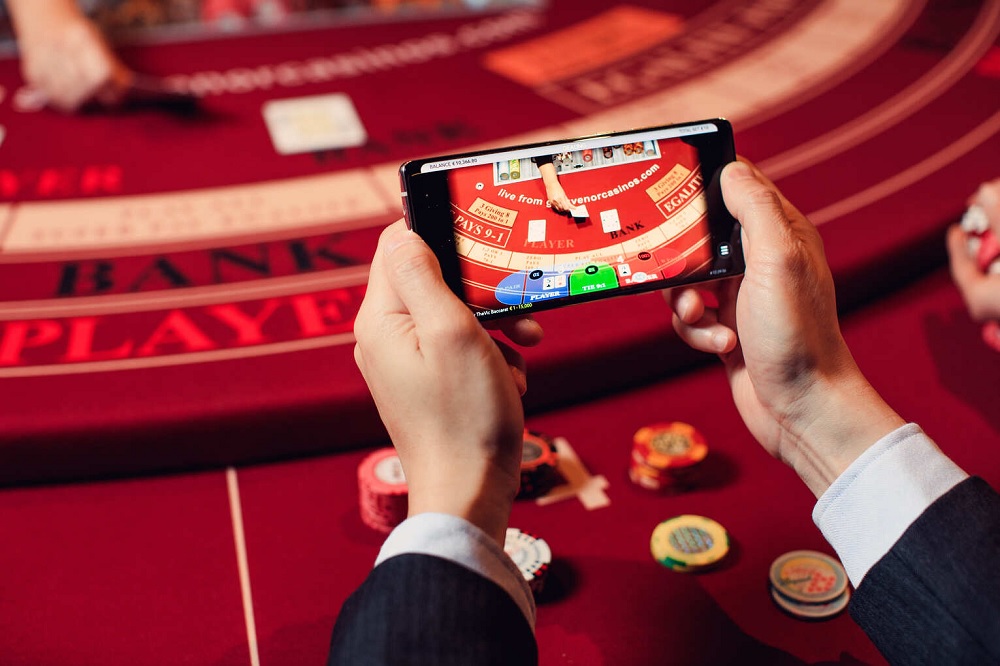
The world of casinos is evolving rapidly. What once was a space defined by flashing lights, clinking tokens, and human dealers is transforming into a domain where algorithms, digital interfaces, and immersive experiences become central. Technology is no longer just a supporting tool in casinos—it’s rewriting the rules of play, risk, engagement, and operations.
In this article, we dive deep into how emerging technologies are reshaping the future of casinos, exploring how they influence player experience, backend operations, security, regulation, and more. Embedded within the narrative is the anchor text you asked for to ensure natural incorporation of your keyword.
Why Technology Matters More Than Ever in Casinos
Casinos have always needed to balance being entertaining with being profitable. But in today’s digital age, achieving that balance demands sophistication. Here are some of the forces pushing casinos toward technological adoption:
- Changing consumer expectations: Players now demand seamless, personalized, digital-first experiences, whether they are on site or playing remotely.
- Data abundance: Every interaction—from betting behavior to loyalty card use—can be captured, analyzed, and leveraged, if properly used.
- Cost pressures: Labor, real estate, maintenance, and compliance are expensive. Technology offers efficiencies in many of these areas.
- Security and regulation: As stakes grow and regulatory oversight tightens, casinos must guard against fraud, money laundering, and ensure fairness.
- Competitive differentiation: In a crowded entertainment landscape, casinos want to stand out by offering cutting-edge experiences and value.
Below, we explore in detail how specific technologies are rewriting the casino playbook.
Artificial Intelligence & Big Data: The Brain at the Core
Personalized Experience Through Predictive Analytics
AI and Big Data allow casinos to go beyond one-size-fits-all promotions. By combining transaction histories, game preferences, time of play, and demographic data, casinos can predict what each player is most likely to enjoy—and when.
- Dynamic promotions, bonus offers, and game suggestions can be tailored in real time.
- Churn detection models anticipate when a player is likely to disengage, triggering retention tactics just in time.
- Loyalty systems become more agile, offering micro-rewards or incentives that match individual behavior.
Operational Optimization & Dynamic Pricing
AI isn’t just for marketing. Every part of casino operations can benefit—from staffing to space usage.
- Predictive models forecast foot traffic, enabling optimal scheduling of dealers and support staff.
- Analytics can guide the layout of gaming floors, optimizing placement of tables, slots, or kiosks to maximize flow and revenue.
- Variable pricing (for hotel rooms, F&B, event hosting) can be dynamically adjusted based on demand, time, and customer profile.
Fraud Detection, Security, & Responsible Gaming
Casinos are high-stakes environments, and advanced tech is critical to safety and compliance.
- Machine learning can spot unusual patterns indicating fraud, collusion, or money laundering.
- Vision systems can analyze facial expressions, gaming behaviors, and pattern deviations to flag potential problem gambling risks.
- Real-time monitoring ensures game integrity, ensuring outcomes remain fair and transparent.
Use Case: Real-Time “Table Reading”
One compelling example is how video AI systems can read table games such as blackjack. Using cameras and computer vision, the system tracks cards, bets, and patterns—and calibrates player sophistication, possible card counting behavior, and expected lifetime value. Such systems help casinos respond with tailored offers, interventions, or surveillance.
Immersive Worlds: VR, AR & Metaverse Casinos
Virtual Reality Casinos
VR technology allows users to enter fully immersive casino environments from home. Players can walk into a virtual casino lobby, interact with avatars, chat with other players and dealers, and walk between virtual slots, poker rooms, and tables—all from a headset.
- The social element enhances engagement—players feel like they’re physically present with others.
- In-game events, tournaments, and metaverse integrations become possible.
- Developers can design imaginative worlds beyond the constraints of real land.
Augmented Reality in Physical Casinos
AR overlays digital information onto the real world. In a casino setting, AR might:
- Highlight optimal bets, odds, or game hints on a physical table (for educational or optional modes).
- Display overlays when viewing slot machines or table games via smartphone apps.
- Offer “treasure hunts” or gamified navigation through a resort, creating blended experiences.
Metaverse & Blockchain Worlds
Blockchain and metaverse platforms allow casinos to exist entirely in a decentralized environment. Users can buy virtual property, host their own games, own avatars and NFTs (nonfungible tokens), and have provably fair smart contracts ensuring game integrity.
Such setups move beyond traditional licensing—in some cases, games run as smart contracts, reducing the need for intermediaries.
Connectivity & Infrastructure: 5G, Edge, & Cloud Gaming
The Role of Ultra-Low Latency
For live dealers, AR/VR interactions, and seamless transitions, latency is critical. 5G and edge computing make ultra-responsive connections possible, allowing:
- Real-time rendering of immersive sessions
- Quick decision loops for AI systems
- Rapid synchronization between physical and digital environments
Cloud Gaming & Streaming Casino Games
Rather than downloading or running heavy software locally, casino experiences can stream directly from cloud servers to players’ devices.
- This reduces entry friction—players do not need expensive hardware.
- Updates, patches, and new games can be deployed instantly.
- Operators can scale resources elastically as demand surges.
Scalability and Redundancy
Modern infrastructure ensures casinos remain online through failures, sudden traffic spikes, or geographic disruptions. Cloud platforms allow for smooth failover, backups, and global reach.
Blockchain, Smart Contracts & Provable Fairness
Transparent Transactions & Player Trust
Blockchain ledgers offer an immutable, transparent record of all transactions. When players can verify that payouts and odds are recorded fairly, it builds trust.
Smart Contract-Driven Games
Smart contracts can handle bet placement, payout settlement, and game logic. Because the logic is encoded in code visible to all, manipulation is extremely difficult.
Tokenization & Digital Assets
- Casinos may issue native tokens or coins for in-platform use, rewards, or liquidity.
- Players can buy, trade, or stake these tokens.
- Virtual in-game assets (NFTs) become collectible or functional within game environments.
Ethics, Privacy & Regulation
Adopting these technologies is not without risks. Casinos must carefully navigate several sensitive domains:
Data Governance & Player Privacy
Collecting behavioral and biometric data requires strict privacy safeguards. Transparent consent, anonymization, and governance protocols must be in place.
Algorithmic Fairness
AI models must be audited to avoid bias (e.g. offering better rewards to favored demographics). Fairness and transparency should guide model design.
Responsible Gaming
While technology can detect signs of problem gambling, it must be paired with human oversight. Timely interventions, self-exclusion options, and limits must remain front and center.
Regulatory Compliance
Every jurisdiction has distinct rules around gambling, anti-money laundering, licensing, and consumer protection. Embedding compliance logic into systems—monitoring, reporting, auditing—is critical.
Emerging Horizons: Quantum, Bio-interfaces & Beyond
Quantum Computing in Game Theory
Researchers are exploring quantum versions of casino games such as blackjack. In some theoretical models, players can leverage quantum superposition or entanglement to improve expected outcomes compared to classical strategies. While still nascent, such ideas hint at the deep transformations possible when quantum tech evolves.
Brain-Computer Interfaces (BCI) & Neurofeedback
Imagine devices reading neural signals to gauge excitement, fatigue, or risk appetite. In a casino of the future, games might adapt dynamically based on a player’s physiological state, adjusting pace, rewards, or difficulty for optimal flow engagement.
AI Agents as Dealers & Hosts
Fully autonomous digital dealers, capable of interacting verbally and socially, may handle more table games. They can combine voice assistants, natural language understanding, facial cues, and real-time game logic to replace or augment human staff.
Real-World Examples & Early Adopters
- Some casino resorts are testing AR overlays in their premises to guide players or offer hidden bonus opportunities.
- A few VR casino startups already host immersive poker rooms, blackjack floors, and social lounges.
- Leading operators are deploying AI loyalty systems and dynamic pricing engines for rooms, F&B, and game promos.
- Experimental blockchain casinos allow users to play provably fair games via smart contracts and withdraw in crypto.
These early adopters act as testbeds—allowing the industry to refine UX, performance, and regulatory compliance before broader rollout.
Challenges & Roadblocks
Despite the promise, the path forward is complex:
- High capital requirements: Building AI, VR, and blockchain systems demands investment in infrastructure, talent, and change management.
- Legacy integration: Many casinos operate legacy systems; retrofitting new technology without disruption is difficult.
- User adoption friction: Some players prefer familiar, human interaction; digital natives may adapt faster than traditional patrons.
- Regulation lag: Laws often trail innovation. Regulatory approval for VR casinos, digital tokens, or AI surveillance is uneven.
- Security risks: As systems become more interconnected, new vulnerabilities (hacks, data leaks, smart contract bugs) emerge.
Frequently Asked Questions (FAQ)
Q: Will technology eliminate human dealers?
In many places, human dealers will remain central for atmosphere and social experience. But AI / automated dealers may augment or manage less active tables, freeing human staff for higher value roles.
Q: How can brick-and-mortar casinos compete with digital ones?
By offering hybrid experiences—blending the physical and digital worlds. For instance, AR overlays, VR lounges on site, synchronized promotions for online/offline play, and integrating loyalty across both channels.
Q: Are blockchain casinos legal?
It depends on jurisdiction. Some regions permit licensed blockchain gambling; others require token-to-fiat conversion, oversight, and compliance. Operating within regulated frameworks is essential.
Q: How does technology help with responsible gambling?
Advanced systems can detect risk indicators (spikes, chasing losses, session longevity) and prompt interventions. Players may be nudged to take breaks, self-exclude, or talk to support—all in real time.
Q: Is quantum casino gaming practical now?
Not yet. These models remain theoretical or experimental. But as quantum computing matures, casino theory and strategy may evolve in unexpected ways.
The future of casinos will be defined not by flashing lights alone, but by intelligent systems, immersive environments, and ethical foundations. With technology as its backbone, the casino of tomorrow can deliver richer experiences while maintaining trust, efficiency, and innovation.

Comments are closed.