

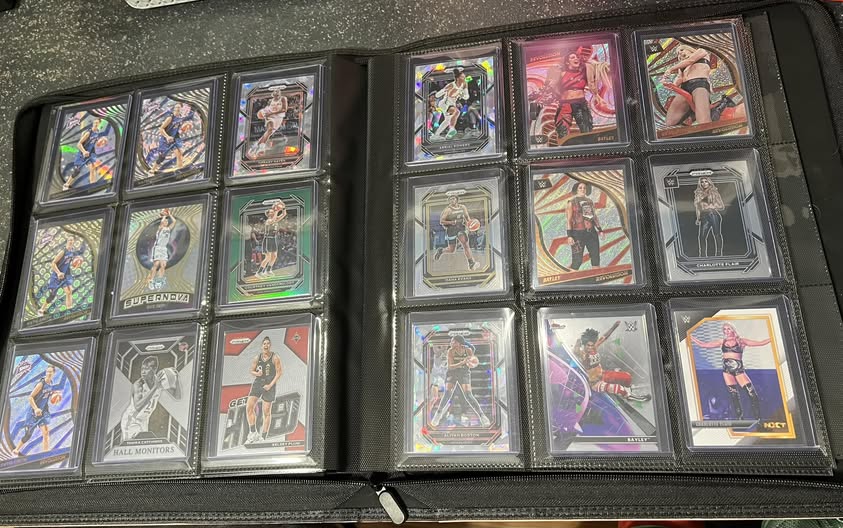
Every collector reaches a point where their collection outgrows a shoe box or a desk drawer. Whether you are opening booster packs of modern gaming cards, tracking down vintage sports cards, or assembling an artist-specific master set, how you store your collection directly impacts its long-term condition and monetary value. A card that suffers a softened corner, an accidental crease, or surface scuffing can lose half its market value in a split second.
The two most popular storage methods in the hobby are binders and toploaders. Both have passionate defenders, and both serve distinct purposes. Choosing between them is not about finding one universally superior option, but about matching the storage medium to the card’s value, thickness, and how you intend to enjoy it.
The Chemistry of Card Storage: Materials to Look For
Before weighing binders against toploaders, you must understand the materials that come into contact with your cards. For decades, collectors learned this lesson the hard way. Early photo albums and cheap office binders were manufactured using polyvinyl chloride (PVC). Over time, PVC releases volatile plasticizers that break down, creating an oily film that transfers to the card face, degrades cardboard fibers, and strips foil stamping.
Safe card preservation requires materials that are chemically inert. When shopping for either storage format, prioritize products labeled as acid-free, archival-safe, and PVC-free. Polypropylene and Mylar are standard materials for interior sleeves and pocket pages because they do not off-gas, adhere to ink, or yellow when stored in standard home environments. Ensuring your storage medium meets these criteria is the foundation of preserving any card.
The Case for Binders: Visual Appeal and Curated Sets
Binders represent the traditional heart of the hobby. They offer a tactile, curated experience that turns a stack of loose cardboard into a cohesive story. Flipping through consecutive pages of an original set or reviewing a team run provides an artistic satisfaction that loose storage can never replicate.
The Evolution of the Modern Collector Binder
If your mental image of a card binder is a floppy, vinyl three-ring binder from an office supply store, modern card albums will surprise you. Modern collector-grade binders are purpose-built for the hobby.
Premium binders feature padded leatherette covers, full zipper closures, and side-loading pockets backed by textured black cloth. The side-loading design prevents cards from sliding out through the top during transit, while the zipper keeps ambient dust, pet hair, and airborne moisture away from the pages.
Where Binders Excel
Binders shine brightest when display and sequence matter. Completing a set chronologically or sorting cards by art style feels intuitive inside a nine-pocket or twelve-pocket spread.
Binders also optimize space. A single twelve-pocket binder can comfortably hold 480 cards while occupying only an inch and a half of shelf space. Attempting to store that many cards in individual rigid holders requires significantly more room and makes casual viewing nearly impossible.
Inherent Risks and Disadvantages
Binders are not without vulnerabilities. The most infamous threat is binder bite, a devastating indentation caused by traditional metal rings. If an O-ring binder is overfilled or closed carelessly, the metal ring can crush the inner edge of the cards on the first and last pages. While ringless, sewn-spine binders eliminate this risk entirely, other hazards remain.
Page sag occurs when large binders are stored vertically on a shelf without adequate tension, causing the weight of the cards to pull downward and bow the pages. Furthermore, sliding cards in and out of tight pocket pages invites corner clipping if you are not careful. For cards that you plan to sell, trade frequently, or submit for professional grading, standard binder pockets introduce unnecessary handling risk.
The Case for Toploaders: Maximum Structural Defense
A toploader is a semi-rigid plastic case open at one short end, designed to shield individual cards from bending, impacts, and heavy pressure. For decades, toploaders have served as the default currency of card shops, conventions, and mail-order shipping.
The Standard Two-Step Method
A toploader should never be used alone. Sliding a raw card directly into rigid PVC causes microscopic surface scratches as the card scrapes against the hard plastic interior.
The correct method always pairs a soft polypropylene penny sleeve with a toploader. The penny sleeve acts as a frictionless barrier that hugs the card surface, while the toploader provides the outer perimeter armor against drops and crushing forces. For complete protection, many collectors top this off with a resealable team bag to seal the open top against airborne dust and debris.
Where Toploaders Excel
Toploaders provide superior individual physical defense. If an individual card in a toploader slips from your fingers and hits a hardwood floor, the impact is absorbed by the plastic rim, leaving the card corner unharmed.
Toploaders also facilitate liquidity. If you trade regularly, attend card shows, or sell online, individual toploaded cards are easy to price, inspect under magnification, and package securely between rigid cardboard pieces for shipment. They also handle varied card thicknesses with ease, with sizes ranging from standard 35-point stock up to 360-point for thick jersey patches and booklet cards.
Inherent Risks and Disadvantages
The primary tradeoff with toploaders is aesthetic detachment and physical bulk. Browsing through hundreds of toploaders stacked in a cardboard storage box feels like flipping through index cards in a library catalog. The visual joy of an artistic spread is gone.
Toploaders also collect scratches, dust, and residue on their exterior surfaces, which can make the card inside look dull over time. Additionally, storing cards in toploaders demands substantially more space. A box of four hundred toploaders is heavy, cumbersome to transport, and difficult to display cleanly in a living space.
Direct Comparison: Weighing the Key Factors
Protection and Impact Resistance
Toploaders win on pure impact protection. They resist lateral bending and protect corners from direct drops. Ringless binders offer decent protection against minor handling and environmental elements, but they cannot protect a card from heavy crushing pressure or careless page turning.
Accessibility and Enjoyment
Binders win decisively on viewing experience. A binder invites you to sit down, turn pages, and appreciate the art and progression of a set. Toploaders are transactional; they are built for defense and commerce rather than leisurely browsing.
Portability and Event Handling
The winner here depends on context. For a trade night or convention where individual cards will be bought, sold, and traded across tables, toploaders are essential. They allow potential buyers to inspect both sides without touching the card itself. However, if you are bringing a comprehensive personal collection to show a friend, carrying a single zipped binder is far more practical than lugging a heavy plastic-filled storage box.
Footprint and Long-Term Cost
Sleeving a massive collection in penny sleeves and toploaders gets expensive. Quality toploaders, team bags, and purpose-built storage boxes add up quickly per card. A single premium ringless binder has a higher initial price tag, but its cost per card slot is often lower, and it uses bookshelf space far more efficiently.
The Modern Compromise: Toploader Binders
In recent years, manufacturers introduced a hybrid product designed to bridge the gap: the toploader binder. These oversized albums feature heavy-duty, ultra-wide polypropylene pockets designed to hold cards that are already encased in standard 35-point toploaders.
Toploader binders give you the rigid security of hard plastic shells alongside the visual, page-turning format of a traditional album. For high-end modern sets or valuable vintage runs, they provide an appealing balance.
However, toploader binders are massive. Because each page holds several rigid plastic cases, a fully loaded toploader binder can weigh ten pounds or more and requires significant shelf depth to store flat. They are also relatively expensive compared to standard binders. For most collections, they are best reserved for your highest-priority sets rather than widespread use.
Building a Tiered Storage Strategy
Experienced collectors rarely choose one format exclusively. Instead, they organize their cards into distinct value tiers, deploying the storage method that makes the most sense for each category.
Tier One: Bulk and Low-Value Common Cards
Cards with little to no financial value do not require individual toploaders or dedicated binder real estate. Store these in clean, acid-free cardboard storage boxes, organized with plastic dividers.
Tier Two: Complete Master Sets and Mid-Tier Binder Cards
Cards worth between a few dollars and fifty dollars, as well as complete art sets and favorite theme collections, belong in premium, ringless, zippered binders. Use standard penny sleeves before placing them into the side-loading pockets to minimize internal shifting.
Tier Three: High-Value Singles, Grading Candidates, and Trade Inventory
Raw cards worth significant money, vintage cards with sharp corners, and anything you plan to submit to a grading service belong in fresh penny sleeves paired with clean toploaders. Add a resealable sleeve over the toploader to lock out dust.
Tier Four: High-End Grails and Investment Pieces
For cards of substantial value, toploaders give way to magnetic one-touch cases with ultraviolet light protection, or permanent ultrasonic-welded grading slabs.
Environmental Safeguards for Long-Term Storage
The best binder or toploader in the world will fail if the surrounding environment is hostile. Cardboard is organic and porous; it absorbs moisture, expands, contracts, and degrades under improper conditions.
Keep your collection in a climate-controlled room with a steady temperature between 65 and 72 degrees Fahrenheit and a relative humidity level between 40% and 50%. Avoid basements, attics, and exterior walls, which experience extreme temperature swings and moisture condensation. If you store your collection inside a closet or cabinet, include rechargeable silica gel packs to absorb ambient moisture. Finally, keep all cards away from direct sunlight, as ultraviolet radiation will fade colored inks within months.
Matching your storage strategy to your collecting goals ensures that your cards remain in the same condition twenty years from now as they are today. If your priority is enjoying art and browsing complete runs, invest in high-grade ringless binders. If your focus is preservation, commerce, and maximum defense, toploaders remain the undisputed standard.

Comments are closed.