

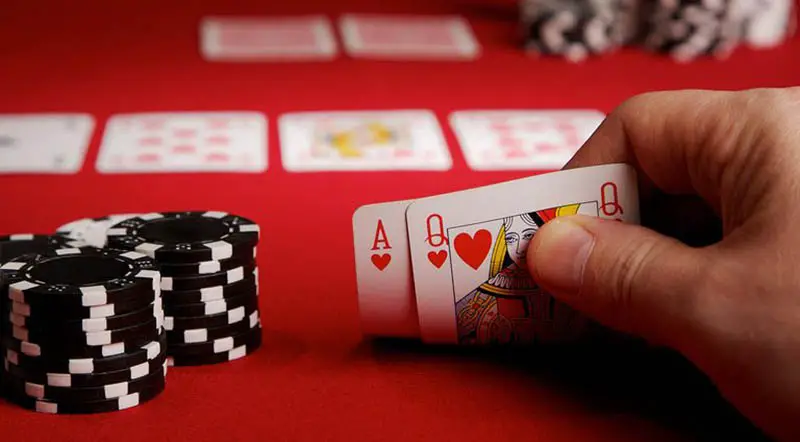
Poker is as much a psychological battle as it is a mathematical game. While probabilities and strategies define long-term success, in live games, players often rely on reading others to gain an edge. Learning to interpret behavior, expressions, and subtle body language can reveal valuable information about opponents’ hands. Understanding common poker tells you should watch for can help you make better decisions, avoid traps, and identify when others are bluffing.
Every player, regardless of experience, exhibits tells. The key lies in identifying patterns rather than reacting to isolated gestures. This article explores the most reliable poker tells, the psychology behind them, and how to differentiate genuine signals from deceptive ones.
Understanding What Poker Tells Are
A poker tell is any physical, verbal, or behavioral cue that unintentionally (or intentionally) conveys information about a player’s hand strength or mindset. These tells can occur consciously or subconsciously, revealing stress, confidence, anxiety, or deception.
In poker, reading tells isn’t about guessing—it’s about observation, consistency, and context. A single behavior doesn’t define an opponent’s hand, but repeated actions often form patterns that reveal truth. The best players combine tell-reading with betting analysis, timing, and game flow to form accurate judgments.
Tells can fall into several categories:
- Physical tells: Observable body movements, posture changes, and facial expressions.
- Verbal tells: Speech patterns, tone, and choice of words during conversation.
- Timing tells: The speed or delay of actions like betting, calling, or folding.
- Betting pattern tells: Inconsistencies between behavior and betting size or structure.
Understanding these categories allows you to interpret signals more accurately and avoid false assumptions.
Physical Tells: The Language of the Body
Physical tells are among the most discussed forms of poker behavior. Although experienced players often try to control their movements, many subconscious actions still slip through.
1. Shaking Hands or Trembling
A common misconception is that shaking hands indicate nervousness or bluffing. In reality, players often tremble when they have a strong hand due to excitement and adrenaline. The involuntary response occurs because the body reacts to the stress of holding a winning position.
How to interpret it:
- If a player’s hand shakes after a big bet, they likely have a strong hand.
- If trembling appears before betting, it may be an attempt to fake confidence.
2. Stiff or Frozen Posture
Players who suddenly freeze or sit unnaturally still after placing a large bet are often trying to appear relaxed. The “statue tell” happens when players subconsciously hold their breath to avoid giving away information.
What to look for:
- A player who becomes motionless after betting may be strong.
- Constant motion followed by sudden stillness usually indicates confidence rather than fear.
3. Fidgeting or Restlessness
Frequent movement, chip handling, or shifting in the seat can signal discomfort or uncertainty. Bluffers often display excessive physical energy because anxiety increases adrenaline.
Patterns to note:
- Repeated chip shuffling or unnecessary talking after betting often reveals nervousness.
- However, for naturally fidgety players, this tell may not hold true—context matters.
4. Eye Contact and Avoidance
Eye behavior is one of the most revealing forms of non-verbal communication in poker. Confident players often maintain steady eye contact, while bluffers tend to avoid it. But some skilled players use this to their advantage by intentionally reversing the pattern.
Interpretation guide:
- Avoiding eye contact immediately after betting often suggests weakness.
- Overly direct or exaggerated eye contact may be an attempt to project confidence.
5. Protecting Hole Cards Too Carefully
Players who hold their cards tightly or cover them excessively after looking at them may have a strong hand. This instinctive protection often reflects a subconscious desire to prevent others from seeing valuable information.
Conversely, a player with a weak hand tends to handle cards casually, as if their outcome doesn’t matter.
6. Breathing Patterns
Breathing provides subtle yet valuable insights into emotional state. Rapid breathing may indicate nervousness or excitement, while calm breathing suggests composure.
Observational clues:
- A sudden shift from normal to fast breathing after looking at cards may indicate a strong hand.
- Slow, deliberate breathing might be an attempt to appear calm while bluffing.
Verbal Tells: The Psychology Behind Speech
Verbal tells involve how players talk, not just what they say. The tone, pacing, and content of their speech can all convey hidden meaning.
1. Overexplaining or Talking Too Much
When bluffing, players often feel the need to justify their actions verbally. They might explain their bet, comment on the board, or make excuses to sound convincing.
Example phrases:
- “You can fold, I’ve got it.”
- “I’m just trying to steal this one.”
- “I think you’ve got me beat.”
These statements often aim to manipulate opponents into making specific choices.
2. Silence or Abrupt Talking Changes
A sudden shift in speech patterns can be revealing. A normally talkative player who becomes quiet may have a big hand. Conversely, a quiet player who suddenly becomes chatty may be bluffing.
Observe consistency:
Track how players behave during earlier hands and note any significant deviations.
3. Tone and Speed of Voice
Pitch and pacing can reveal stress. High-pitched or hurried speech usually signals anxiety, while slow, measured tones often indicate confidence.
Tip: Listen for quivers or breaks in the voice—small details often reveal large emotions.
Timing Tells: The Rhythm of Play
Timing is one of the most overlooked yet reliable sources of information in poker. Every decision has a rhythm, and changes in that rhythm can expose a player’s confidence level.
1. Instant Bets or Calls
Quick actions usually suggest premeditated decisions. If a player calls immediately after a bet, they likely had already planned to do so—often a sign of a weak hand or draw rather than strength.
2. Long Pauses Followed by Aggression
When players take an unusually long time before betting or raising, it may indicate bluffing. They use the pause to simulate deliberation and project strength.
However, players sometimes hesitate intentionally to mislead opponents, so consistency again becomes the key.
3. Rapid Checks or Folds
Quick checks typically mean disinterest or weakness. A player with a strong hand might take longer to act, as they consider how to extract maximum value.
Betting Pattern Tells: The Mathematical Side of Behavior
Beyond physical and verbal cues, betting patterns provide the most reliable information because they are rooted in logic. While other tells can be faked, betting patterns are harder to disguise over time.
1. Unnatural Bet Sizes
A player’s bet size often reveals more than their expression. Overbets (bets significantly larger than the pot) may indicate a bluff intended to scare opponents away, while small, inviting bets often signal strength.
Key insight: Compare the bet size to previous hands. Inconsistency often reveals intent.
2. Hesitant Betting Motions
Players who hesitate before pushing chips forward often lack confidence in their bet. Conversely, players who bet forcefully may be trying to look strong when they are actually weak.
3. Protecting Chips After Betting
Subconscious protective behavior—such as placing a hand over chips after betting—often indicates a desire to safeguard gains, which usually aligns with strong hands.
How to Differentiate Real Tells from False Signals
Professional players are aware of tells and may intentionally fake them. To identify genuine behavior:
- Look for consistency: One isolated tell means little; patterns matter.
- Consider context: Evaluate tells alongside betting actions and game situation.
- Avoid stereotypes: Not all players express emotions the same way.
- Observe over time: Build behavioral profiles based on repeated sessions.
The most reliable tells come from subconscious behavior, not exaggerated gestures meant to deceive.
Controlling Your Own Tells
While spotting tells in others is valuable, controlling your own is equally important. Every movement, word, and reaction can reveal information.
Techniques to Minimize Your Tells
- Maintain a consistent routine: Act the same way regardless of hand strength.
- Avoid excessive talking: Limit conversation to prevent verbal slips.
- Control breathing: Use slow, steady breaths to manage stress responses.
- Use neutral betting motions: Handle chips and cards in the same way every hand.
- Wear sunglasses or hoodies cautiously: While they can help, overreliance may make you appear suspicious or insecure.
Mastering self-control ensures you remain unreadable, forcing opponents to rely purely on mathematics rather than psychology.
The Role of Emotional Intelligence in Reading Tells
At its core, poker is a game of emotional intelligence. The ability to read people depends on empathy and awareness. By observing others without judgment and interpreting emotions objectively, you gain a strategic advantage.
Emotional Intelligence Principles for Poker
- Self-awareness: Recognize your emotional triggers to stay calm under pressure.
- Social awareness: Observe opponents’ emotional states beyond surface gestures.
- Regulation: Manage your responses to avoid giving away tells or overreacting.
- Adaptability: Adjust strategies based on the psychological profile of each opponent.
When emotional intelligence meets technical skill, you create a complete poker mindset that balances logic and intuition.
FAQs
How reliable are poker tells in modern games?
Tells are helpful but not definitive. Modern players are more aware of their behavior, making physical tells less reliable. However, betting patterns and timing remain highly informative when analyzed correctly.
Can online poker players have tells?
Yes. Although physical cues are absent, timing patterns, bet sizing, and chat behavior can still reveal psychological tendencies.
How long does it take to master reading tells?
Developing accurate observation skills takes time and experience. Regular practice, combined with note-taking and analysis, improves accuracy gradually.
Should I rely solely on tells when playing poker?
No. Tells should complement your strategic decisions, not replace them. Use them alongside mathematical reasoning, position analysis, and game flow understanding.
What is the most common tell among amateur players?
Nervous gestures such as excessive talking, fidgeting, or inconsistent bet sizing are the most frequent tells among inexperienced players.
Learning to recognize common poker tells you should watch for gives you an edge that math alone cannot provide. By blending observation with logic, you transform poker from a game of chance into one of perception and precision. The greatest players succeed not because they always have the best cards, but because they read people better than anyone else at the table.

Comments are closed.